Real estate listing builder
Background
What started as a side project and concepts posted on the office wall became core to a new strategic direction. A self-service listing tool would unlock scalability, enable the business to test new service tiers, and drive additional revenue streams.
Problem
Imagine if the only way to post on Craigslist was by calling them, or to post a listing on AirBnB you had to email their administrator. It might work in the early days, but would eventually limit growth.
Similarly, commercial real estate brokers rely on our Ten-X representatives to onboard and manage their property listings. The process often unfolds like a game of telephone, with plenty of overhead, friction, and lack of standardization.
Desired Outcomes
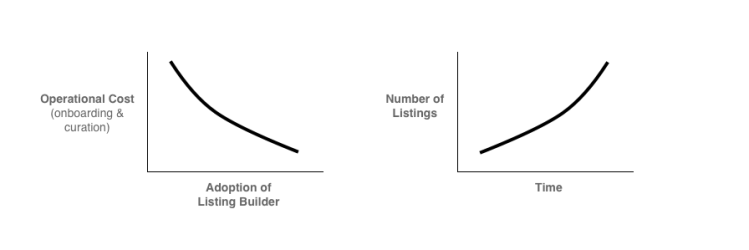
We strived to create a quick and easy onboarding experience that would reduce “time to list” by 50% and eliminate 75% of human touch points.
Process
Conducted Interviews with brokers and internal stakeholders to build a better understanding of the problem space

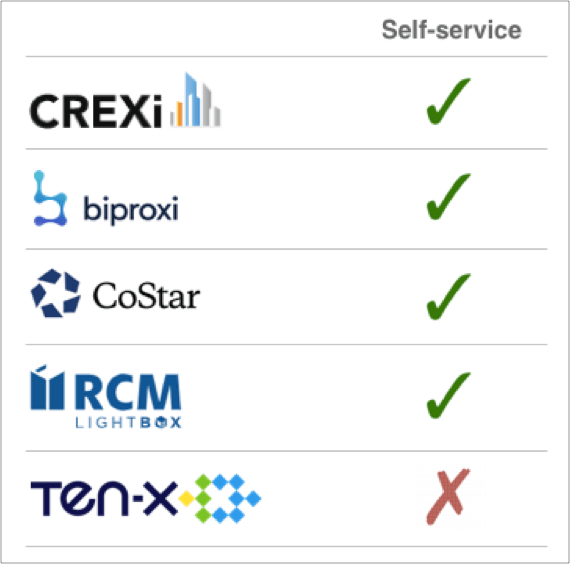
Audited UX of competitive offerings, as well as non-CRE industry products that simplify complex workflows, such as doing taxes, or registering a vehicle.
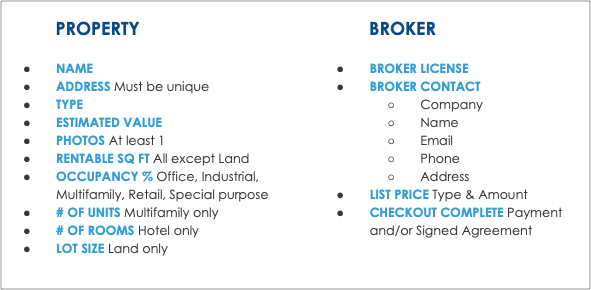
Defined attributes for an early prototype. We needed something to show to customers and get some feedback on the direction. So we took an educated guess based on early interviews and real estate.
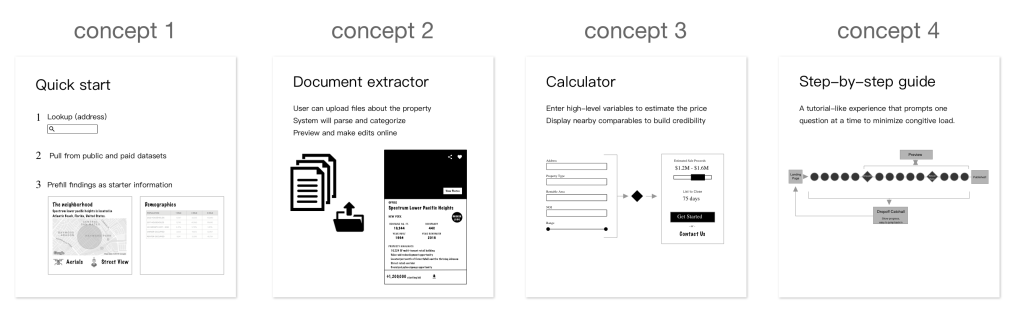
Rapidly generated concepts with other designers and engineers. Sketched a handful of ideas in a group setting.
By estimating feasibility and value, we voted to pursue the step-by-step guide experience.
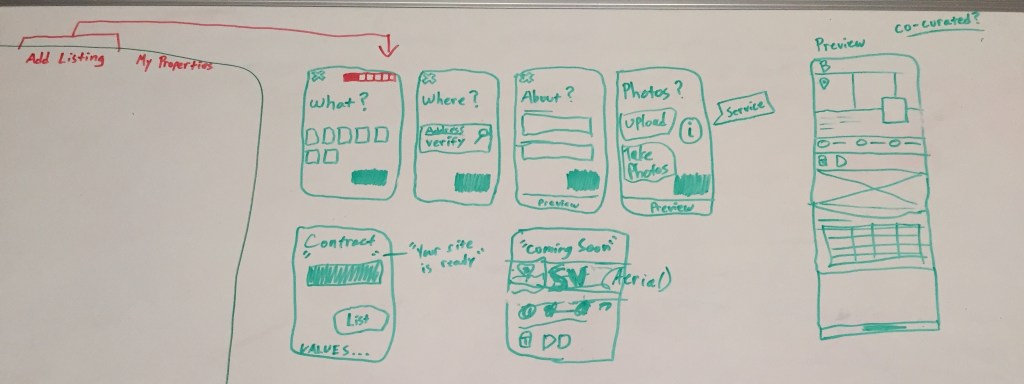
Created prototype for customer interviews

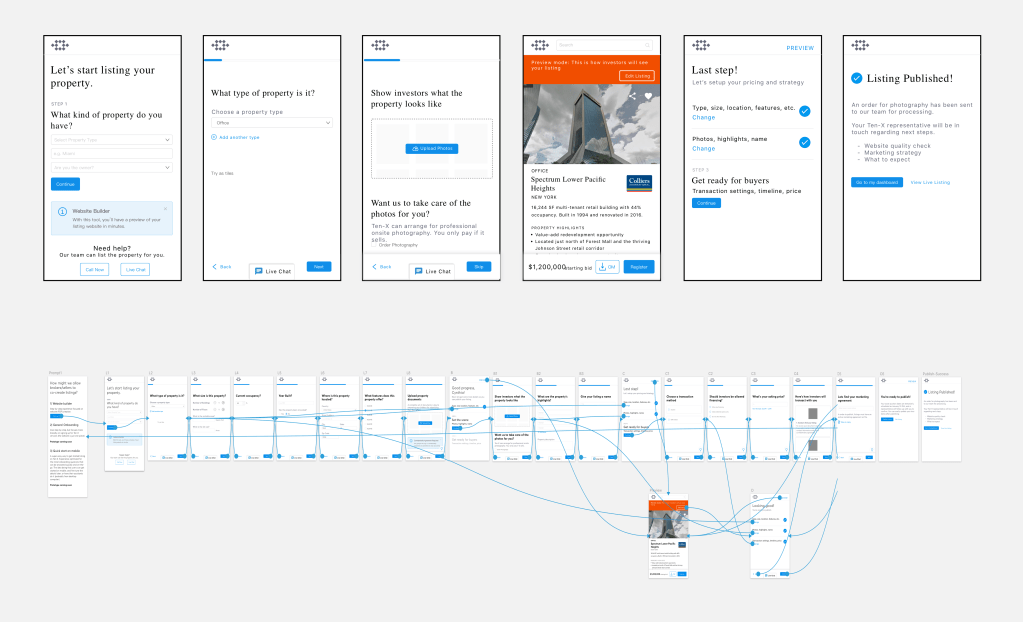
Pivoted to desktop
Bringing a functional prototype to interviews yielded engaging discussions that we learned a lot from. We heard from multiple brokers that analysts on their teams would usually create listings in an office setting. “My team isn’t going to do this on their phone”.
The mobile-first strategy we took early on helped us prioritize and make hard decisions about the most critical inputs. This pre-work left us well-positioned to shift design focus to larger screens.
Solution
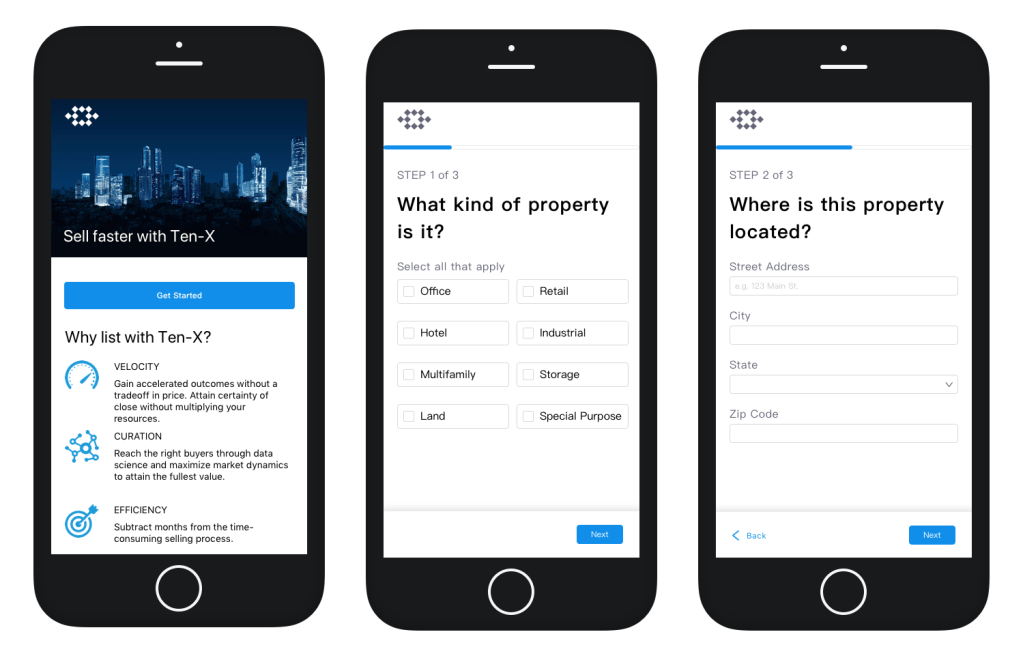
The experience begins with a step-by-step questionnaire that makes it really easy to get started. It then transitions to a data entry experience that uses progressive disclosure to minimize cognitive load. Finally preview and publish options are made available once a minimum set of information has been entered.
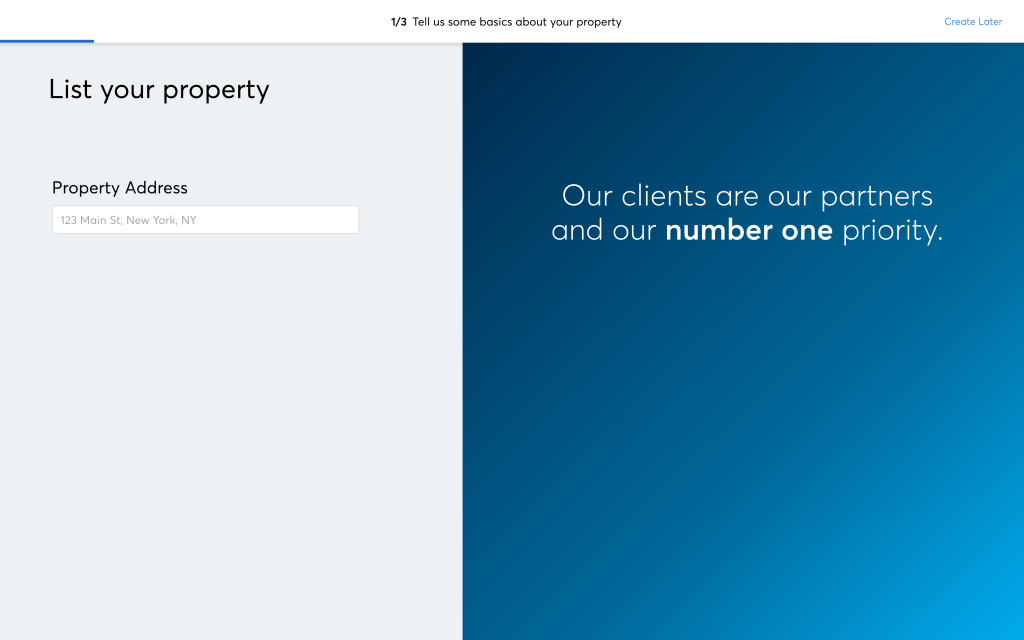
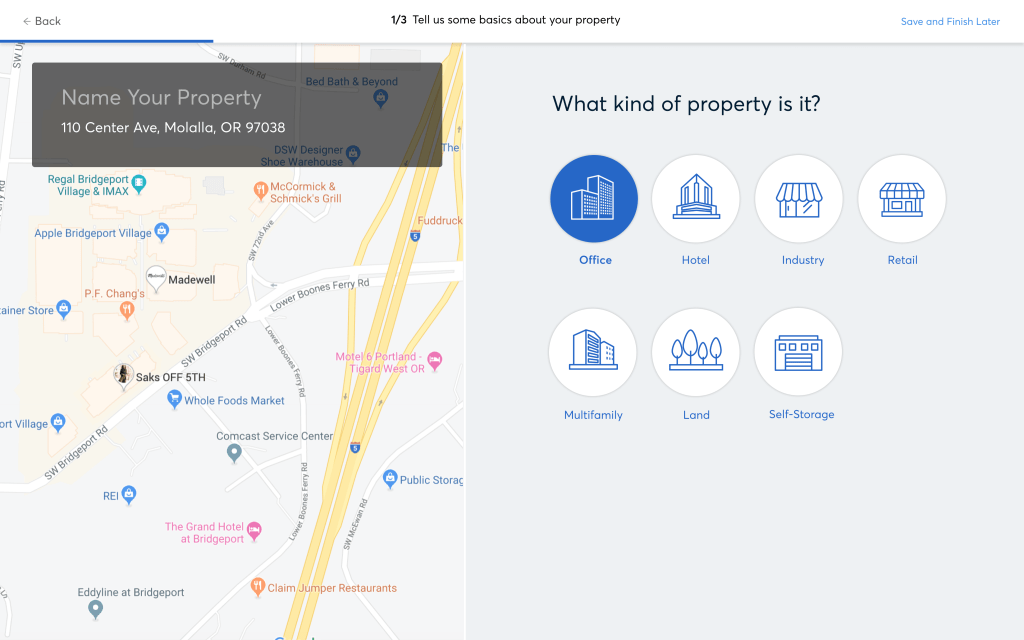
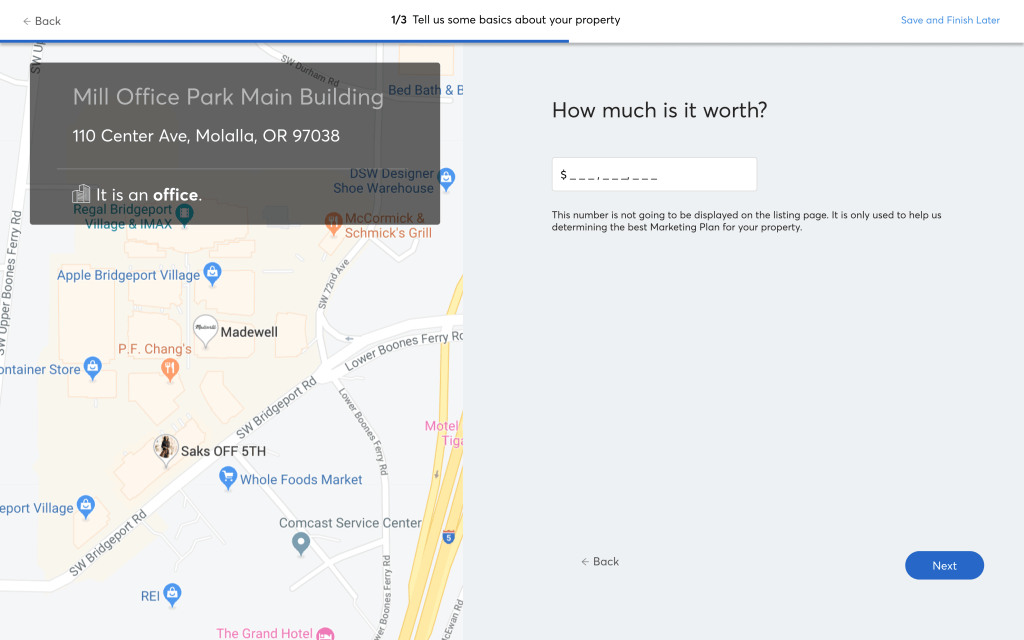
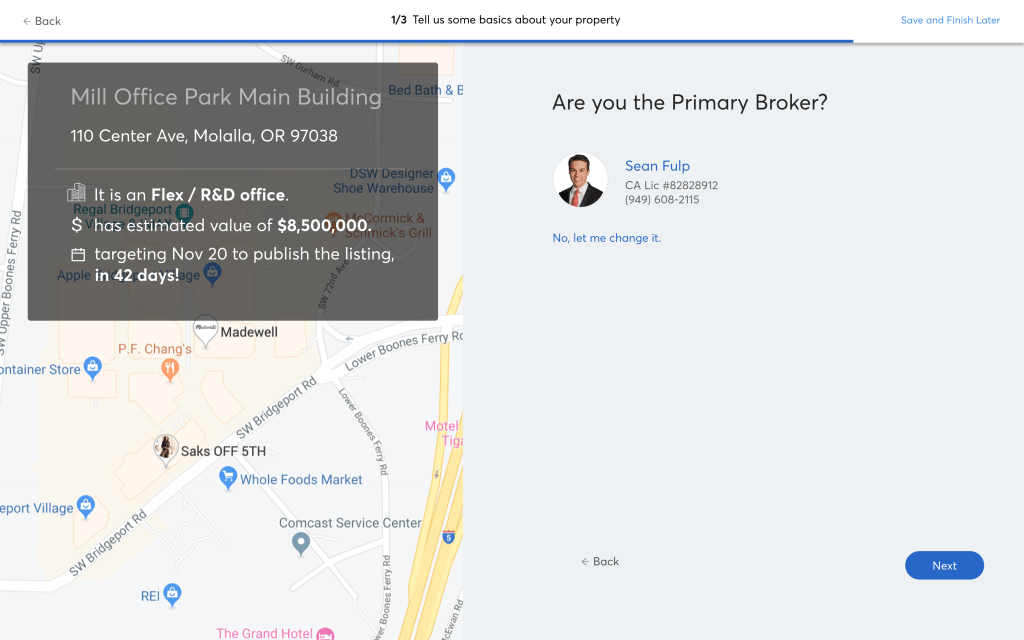
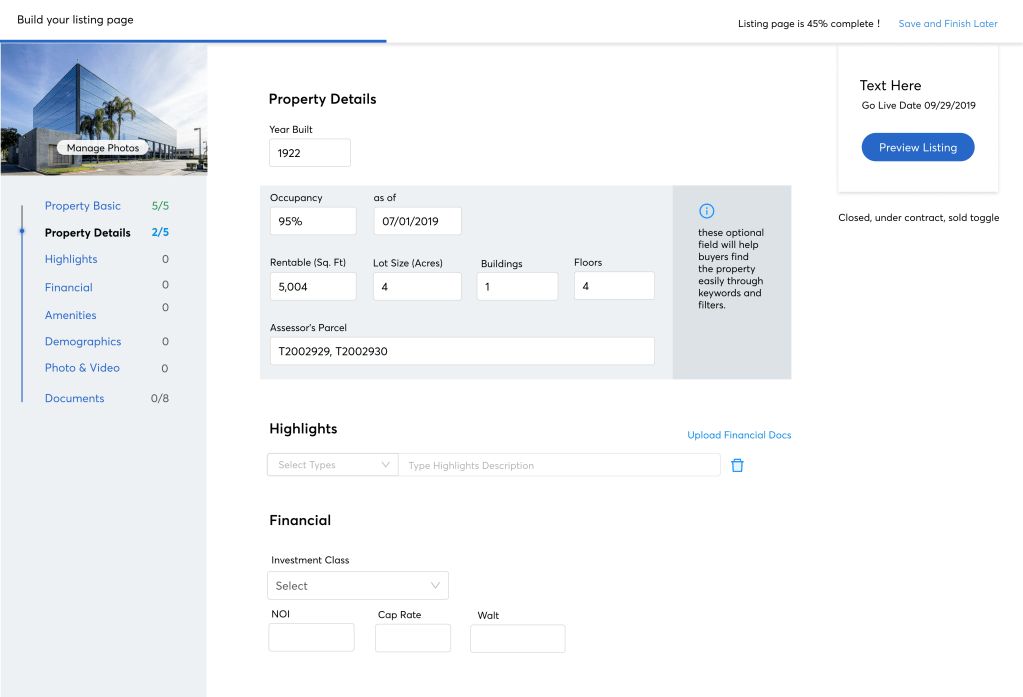
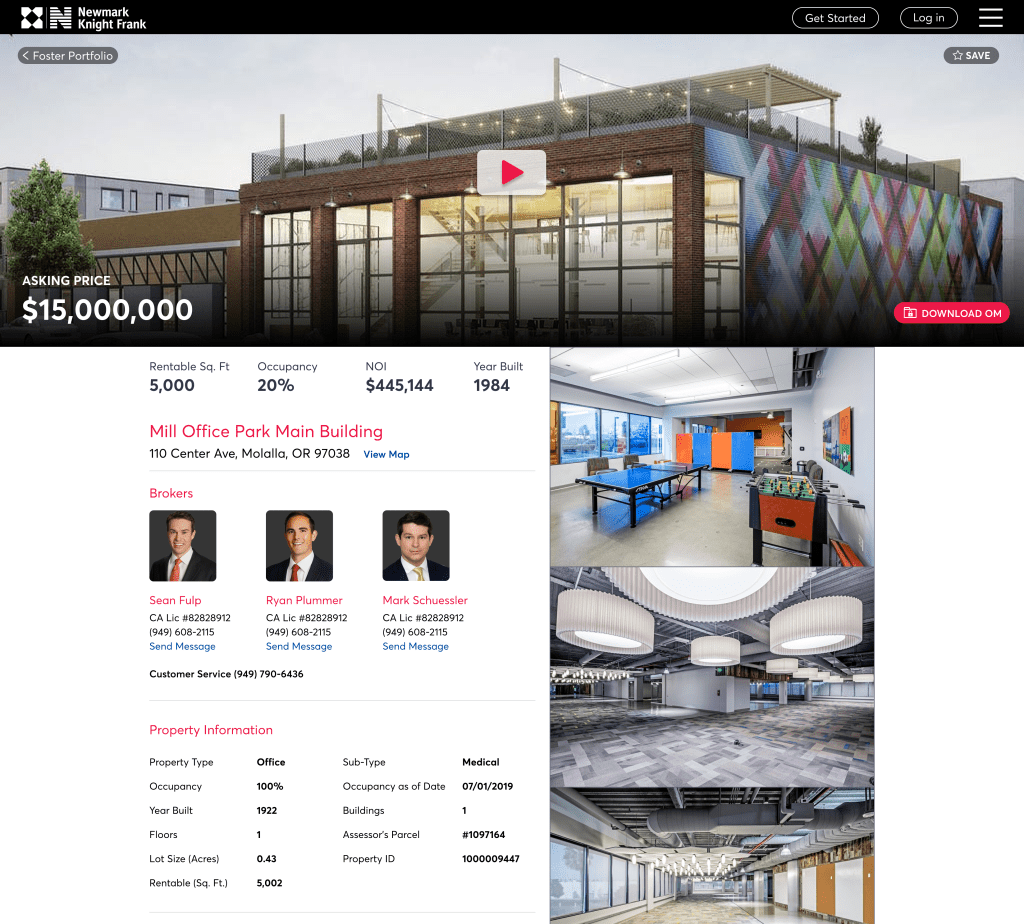
Watch the prototype in action
Results
Through my leadership, this project gained strong internal adoption and quickly rose in priority for immediate development. Working closely with engineering leads, I provided feedback on the ERD, wrote user stories, and ushered the project into the development phase.

